|
Latin America
|
|
1954-2013 .... assassinated by CIA? |
 |
|
|
Latin America
|
|
1954-2013 .... assassinated by CIA? |
|
|
related
topics
 |
related
topics |
related
topics |
|||||
| PROGRESSIVE | CONSERVATIVE* | ||||||
|
|
|
|||||
|
| 'Drug War' top | |||||||||||||||||||||||||||||||||||||||||||||||||||||||||||||||||||||||||||||||||||||||||||||||||||||||||||||||||||||||||||||||||||||||||||||||||||||||||||||||||||||||||||||
| PROGRESSIVE | REFERENCE | CONSERVATIVE* | |||||||||||||||||||||||||||||||||||||||||||||||||||||||||||||||||||||||||||||||||||||||||||||||||||||||||||||||||||||||||||||||||||||||||||||||||||||||||||||||||||||||||||
|
|
|
|||||||||||||||||||||||||||||||||||||||||||||||||||||||||||||||||||||||||||||||||||||||||||||||||||||||||||||||||||||||||||||||||||||||||||||||||||||||||||||||||||||||||||
|
|||||||||||||||||||||||||||||||||||||||||||||||||||||||||||||||||||||||||||||||||||||||||||||||||||||||||||||||||||||||||||||||||||||||||||||||||||||||||||||||||||||||||||||
|
|||||||||||||||||||||||||||||||||||||||||||||||||||||||||||||||||||||||||||||||||||||||||||||||||||||||||||||||||||||||||||||||||||||||||||||||||||||||||||||||||||||||||||||
|
Iran-Contra, Nicaragua top back to Ledeen, Fascism |
|||||||||||||||||||||||||||||||||||||||||||||||||||||||||||||||||||||||||||||||||||||||||||||||||||||||||||||||||||||||||||||||||||||||||||||||||||||||||||||||||||||||||||||
| PROGRESSIVE | REFERENCE | CONSERVATIVE* | |||||||||||||||||||||||||||||||||||||||||||||||||||||||||||||||||||||||||||||||||||||||||||||||||||||||||||||||||||||||||||||||||||||||||||||||||||||||||||||||||||||||||||
|
|
|
|||||||||||||||||||||||||||||||||||||||||||||||||||||||||||||||||||||||||||||||||||||||||||||||||||||||||||||||||||||||||||||||||||||||||||||||||||||||||||||||||||||||||||
|
|||||||||||||||||||||||||||||||||||||||||||||||||||||||||||||||||||||||||||||||||||||||||||||||||||||||||||||||||||||||||||||||||||||||||||||||||||||||||||||||||||||||||||||
| and go to Immigration and North American Union pages | |||||||||||||||||||||||||||||||||||||||||||||||||||||||||||||||||||||||||||||||||||||||||||||||||||||||||||||||||||||||||||||||||||||||||||||||||||||||||||||||||||||||||||||
| NAFTA, NASCO top | |||||||||||||||||||||||||||||||||||||||||||||||||||||||||||||||||||||||||||||||||||||||||||||||||||||||||||||||||||||||||||||||||||||||||||||||||||||||||||||||||||||||||||||
| PROGRESSIVE | REFERENCE | CONSERVATIVE* | |||||||||||||||||||||||||||||||||||||||||||||||||||||||||||||||||||||||||||||||||||||||||||||||||||||||||||||||||||||||||||||||||||||||||||||||||||||||||||||||||||||||||||
|
|
|
|||||||||||||||||||||||||||||||||||||||||||||||||||||||||||||||||||||||||||||||||||||||||||||||||||||||||||||||||||||||||||||||||||||||||||||||||||||||||||||||||||||||||||
| Resources top | ||
| PROGRESSIVE | REFERENCE | CONSERVATIVE* |
|
|
|
 go
to CIA, Abu Ghraib, sexual torture pages
go
to CIA, Abu Ghraib, sexual torture pages 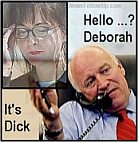 Did Dick Cheney call Deborah Jeane Palfrey, escort service?
|
Kissinger, Argentina, 1976, fair use. By KEN GUGGENHEIM, Associated Press Writer WASHINGTON - While Argentina's military junta was suppressing dissidents in 1976, Secretary of State Henry Kissinger told the country's foreign minister, "If there are things that have to be done, you should do them quickly," according to a newly declassified document. The conversation left Argentine generals with the belief that Kissinger gave them "a carte blanche for the dirty war," said Carlos Osorio of the National Security Archives. The foreign policy research center obtained the documents that were being released Friday. But a former State Department official who attended Kissinger's meeting in June 1976 with Argentina's foreign minister, Adm. Cesar Augusto Guzzetti, said that view was "a distortion of history." "It's a canard," said William D. Rogers, vice chair of Kissinger's lobbying firm, Kissinger Associates. "The idea that he would tell another country to violate human rights quickly or slowly or under any circumstances is preposterous." Kissinger's office did not respond to a request for comment. He has denied condoning abuses. The documents revive the debate about Kissinger's relationship with military dictators in Latin America when he was secretary of state in the Nixon and Ford administrations. It was an era when military officers frequently toppled elected governments and brutalized dissidents, but were accepted by U.S. leaders as anti-communist allies. Argentina's military rulers seized power in a March 1976, beginning six years of rule in which they kidnapped, tortured and killed dissidents. The government says 8,900 people disappeared over that period; human rights groups put the figure around 30,000. Three months after the coup, Kissinger met Guzzetti while in Santiago, Chile, to attend an Organization of American States meeting. Detailed notes of the meeting were taken by Luigi Einaudi, a member of the State Department policy planning staff. Einaudi now is assistant secretary-general at the OAS. In an interview, Einaudi said his recollections of the meeting are vague after 28 years, but he doubts Kissinger would have said anything to condone abuses. Because of congressional pressure and public opinion, "the political reality was the United States could not put up with those kinds of abuses," he said. Kissinger told Guzzetti he wished his government well. "We wish it will succeed. We will do what we can to help it succeed," Kissinger said, according to Einaudi's account. Kissinger spoke of Argentina's problem in which "political, criminal and terrorist activities tend to merge without any clear separation." He said he understood the government's need to establish authority, "but it is also clear that the absence of normal procedures will be used against you." Kissinger said the United States could not help Argentina fight terrorism, but may be able to help economically. Guzzetti spoke of the need to "create disincentives to potential terrorist activities" and complained that outsiders did not understand Argentina's problems, Einaudi's notes show. Kissinger responded "as a friend," that "military governments are not the most effective in dealing with these problems." He noted problems in Chile, then led by Gen. Augusto Pinochet (news - web sites). "You will have to make an international effort to have your problems understood," Kissinger said. "Otherwise you too will come under increasing attack. If there are things that have to be done, you should do them quickly. But you must get back quickly to normal procedures." Previously declassified documents suggest that Argentine leaders took heart from the exchange. President Jorge Videla told U.S. Ambassador Robert Hill in that September that "Kissinger understood their problem and had said he hoped they could get terrorism under control as quickly as possible." "Videla said he had impression senior officer of (U.S. government) understood situation his govt faces, but junior bureaucrats do not," Hill wrote in a cable. Hill, who had repeatedly complained to Argentine officials about abuses, said he responded by stressing Kissinger's concern about human rights in Argentina. Osorio said the Kissinger-Guzzetti exchange makes clear why Videla believed abuses would be tolerated. "If you are standing in the position of the generals, that's (how) you would interpret it right away," he said. What was most striking was that Kissinger made no direct appeal to stop the abuses, Osorio said. Rogers said Kissinger had stressed at the OAS meeting that the United States would not tolerate abuses. Kissinger would not have contradicted those public statements during a private meeting, Rogers said. "That's fatal to diplomatic discourse." He said Guzzetti's English was shaky, which could have led to misunderstandings. Einaudi's notes say Guzzetti spoke Spanish to Kissinger, but it's not clear if Guzzetti used an interpreter to understand English responses.
|
| Obama administration fingerprints on Ecuador coup attempt ... October 2010 -- |
|
Using the standard CIA playbook on toppling
democratically-elected governments in Latin America, the Obama administration,
which was not happy with Ecuadorian President Rafael Correa's moves to increase
state control over oil companies in the nation and his decision to oust the
United States military from its airbase at Manta, appears to have suffered a
major defeat in the failed coup attempt in Ecuador by police officers and Air
Force personnel who were backed by rightist elements in the National Assembly
and business community. Correa was re-elected with an overwhelming majority last
year after he gave the U.S. military its walking papers from the Manta airbase.
The Pentagon and CIA have been working to topple Correa ever since by pumping
money into opposition political parties and other groups through NGOs funded by
the U.S. National Endowment for Democracy.
In a statement from Correa after his rescue from the Police Hospital in Quito by a military special operations team, the president warned of a larger conspiracy launched against him by his political opposition, saying the "attempt at destabilization is the result of a strategy that has been brewing for quite some time. A barrage of messages and misinformation have been given to the National Police, which today has been realized through violent actions from a conspiracy attempt." Correa's predecessor, the pro-U.S. Lucio Gutierrez, who is wedded to foreign oil company interests in the country, was accused by the government of covertly supporting the police and Air Force mutineers. Although Secretary of State Hillary Clinton issued a weak statement saying the United States backed Correa, it came one day after Clinton heaped praise on former Secretary of State Henry Kissinger, the person who helped to craft the September 11, 1973 coup in Chile and the assassination of its progressive president Salvador Allende. In fact, Clinton and Obama had given military and political support to the right-wing junta that ousted democratically-elected progressive President Manuel Zelaya in Honduras in June 2009 and has fought against allowing the ousted democratically-elected president of Haiti, Jean-Bertrand Aristide, to return to his country from exile in South Africa after the CIA-engineered coup against him in 2004. Clinton's tepid response to the attempted coup against Correa was in marked contrast to the strong denunciations of the attempted coup and messages of support for Correa that came from Venezuela, Brazil, Argentina, Peru, Mexico, Bolivia, Cuba, and Spain. And the fact that Correa, like Venezuelan President Hugo Chavez, who was briefly ousted in an April 2002 coup organized by the CIA, was held as a virtual hostage at the Police Hospital in Quito for the greater part of a day provided a grim reminder of an old CIA tactic in staging coups in Latin America. Chavez was briefly held hostage on a Venezuelan island in the Caribbean while a U.S.-registered plane stood by to fly him into exile. In an emergency Latin American summit meeting in Argentina, Chavez saw the U.S. behind the events in Ecuador. He said, "The Yankee extreme right is trying right now, through arms and violence, to retake control of the continent." Chavez's own experience with a CIA backed coup and the June 2009 coup, supported by the Pentagon, CIA, and Mossad against his ally Zelaya in Honduras, makes him an expert on CIA and Mossad tactics in the region. Informed sources have told WMR that Correa and Chavez are currently comparing notes on the coups launched against them. Ecuadorian intelligence will be looking closely at the wereabouts of key CIA personnel stationed at the CIA station at the US embassy in Quito and a smaller CIA station within the US Agency for International Development (USAID) mission in Guayaquil. In the 2002 coup attempt against Chavez, the US embassy's top CIA and DIA officers were discovered to be helping to direct the coup from Venezuelan military installations. Clinton's State Department has been casting Ecuador in a bad light throughout the past two years, calling the country "difficult to do business in," the only real priority that the Obama administration cares about due to its total subservience to Wall Street and the fat cat bankers. The State Department's "Investment Climate Statement" for Ecuador states: "Ecuador can be a difficult place in which to do business. . . There are restrictions or limitations on private investment in many sectors that apply equally to domestic and foreign investors . . . A 2006 hydrocarbons law imposed new conditions in the petroleum sector that have been problematic for many companies, complicated by a 2007 decree that imposed additional restrictions. A 2008 mining mandate stalled mining activity, and a new Mining Law is expected in early 2009. Negotiations for a free trade agreement between the United State and Ecuador, which would have included investment provisions, stopped in April 2006. The current Government of Ecuador has not expressed interest in restarting negotiations." Correa's financial policies, as well as his foreign policy that saw him order out the American base at Manta and establish close ties with Venezuela, Iran, and other countries inimical to American and Israeli hegemony, placed a huge CIA and Mossad target on Correa's back. In June, Ecuador sponsored a resolution at the Organization of American State (OAS) summit in Lima condemning Israel's attack on the Turkish aid flotilla transporting humanitarian aid to Gaza. Ten nations voted with Ecuador in support of the resolution. The uprising among Ecuadorian Air Force ranks, with Air Force personnel taking over and shutting down Quito's international airport, will have Ecuadorian counter-intellligence personnel looking closely at the possible role of Israeli technicians and trainers who support the Air Force's 26 Israeli-made Kfir combat planes. Israel also reportedly sold Python-3 air-to-air missile to the Ecuadorian Air Force in 1997. Mossad also has its hooks into the Ecuadorian National Police, where the main coup plotters received support/ Mossad is chiefly tasked with spying on Ecuador's large Ecuadorian-Arab community. The activities of the Mossad station at the Israeli embassy in Quito before and during the coup attempt will also draw the attention of counter-intelligence officers. Last year, Tel Aviv-based On Track Innovations received a contract to provide an electronic biometric-based electronic identification card system to Ecuador's Central Registry Office.
|
|
|
|||||||||||||||||||
| Colombia | |||
| PROGRESSIVE | CONSERVATIVE* | ||
|
|
||
| Ecuador top | ||
| PROGRESSIVE | REFERENCE | CONSERVATIVE* |
|
|
|
| Haiti top | ||
| PROGRESSIVE | REFERENCE | CONSERVATIVE* |
|
|
|
| Mexico top | ||
| PROGRESSIVE | REFERENCE | CONSERVATIVE* |
|
|
|
| Wayuu indigenous people, Colombia top | ||
| PROGRESSIVE | REFERENCE | CONSERVATIVE* |
|
|
|
| ECUADOR GETS CHAVEZ'D
top By Greg Palast Excerpted from The Nation 16 May 2005 [Quito] George Bush has someone new to hate. Only twenty-four hours after Ecuador's new president took his oath of office, he was hit by a diplomatic cruise missile fired all the way from Lithuania by Condoleezza Rice, then wandering about Eastern Europe spreading "democracy." Condi called for ?a constitutional process to get to elections,? which came as a bit of a shock to the man who'd already been constitutionally elected, Alfredo Palacio. What had Palacio done to get our Secretary of State's political knickers in a twist? It's the oil--and the bonds. This nation of only 13 million souls at the world's belly button is rich, sitting on at least 4.4 billion barrels of oil in known reserves, and probably much more. Yet 60 percent of its citizens live in brutal poverty; a lucky minority earn the "minimum" wage of $153 a month. The obvious solution--give the oil money to the Ecuadoreans without money--runs smack up against paragraph III-1 the World Bank's 2003 Structural Adjustment Program Loan. The diktat is marked "FOR OFFICIAL USE ONLY," which "may not be disclosed" without World Bank authorization. TheNation.com has obtained a copy. The secret loan terms require Ecuador to pay bondholders 70 percent of the revenue received from any spike in the price of oil. The result: Ecuador must give up the big bucks from the Iraq War oil price surge. Another twenty percent of the oil windfall is set aside for "contingencies" (i.e., later payments to bondholders). The document specifies that Ecuador may keep only 10 percent of new oil revenue for expenditures on social services. I showed President Palacio the World Bank documents. He knew their terms well. "If we pay that amount of debt," he told me, "we're dead. We have to survive." He argued, with logic, "If we die, who is going to pay them?" We met two weeks ago in the Carondelet Palace where, on April 20, his predecessor had disappeared out the back door to seek asylum in Brazil. A crowd of 100,000 protesters had surrounded the building, seeking the arrest of fugitive president Lucio Gutierrez. "Sucio Lucio" (Dirty Lucio, as the graffiti tags him) had won election |
(a photo infamous in Quito) and US Treasury officials instructed him in the financial facts of life. Lucio returned to Quito, reneged on his campaign promises and tightened the austerity measures including raising the price of cooking gas. The public, after a dispirited delay, revolted. Last month, once Lucio fled, the nation's congress recognized the vacancy in Ecuador's Oval Office and filled it with the elected vice president, in accordance with the Constitution. Given the oil windfall, Palacio sees no need to follow Gutierrez' path to economic asphyxiation. "It is impossible that they condemn us not to have health, not to have education," he told me. He made it clear that handing over 90 percent of his nation's new oil wealth would not stand. That's not what the Bush Administration wanted to hear. Outside the presidential palace, indigenous women in bowler hats and pigtails chanted, "FUERA TODOS! FUERA TODOS!" Everyone out. As far as they are concerned, every one of the seven presidents who have entered office in the past nine years has sold them out to the bondholders, to the oil companies, to the World Bank and its austerity punishments. To them, Palacio is bound to be just another in a long line of disappointments. I asked the president what he would do if the World Bank and the Bush Administration nix his request for Ecuador to keep an extra tiny percentage of its oil money. Mindful that no Ecuadorean president since 1996 has served out his term, Palacio told me simply: "There is no way. There is no other way. These people have to listen to us." ******** Read the entire story at www.TheNation.com Hear and view Palast's special report from Ecuador this week on Amy Goodman's Democracy Now! Greg Palast is the author of The Best Democracy Money Can Buy. View more photos and video of his investigations in Ecuador and South America at www.gregpalast.com/ecuador.html ============================================ |
| Bolivia top | ||
| PROGRESSIVE | REFERENCE | CONSERVATIVE* |
|
|
|
| Operation Condor, Kissinger, Pinochet top and see Corporate Fraud | ||
| PROGRESSIVE | REFERENCE | CONSERVATIVE* |
|
|
|
| Paramilitary top | ||
| PROGRESSIVE | REFERENCE | CONSERVATIVE* |
|
|
|
| Trade Agreements, CAFTA top | ||
| PROGRESSIVE | REFERENCE | CONSERVATIVE* |
|
|
|
| Deforestation top | ||
| PROGRESSIVE | REFERENCE | CONSERVATIVE* |
|
|
|
| South American Community of Nations top | ||
| PROGRESSIVE | REFERENCE | CONSERVATIVE* |
|
|
||
| Following his script from Langley, Obama re-launches the Contras against Nicaragua, October 18, 2010 -- |
| WMR
In an almost carbon copy of Ronald Reagan's covert policies in Latin
America, President Obama has not only authorized CIA-planned coups in
Honduras and Ecuador, but has, according to our sources in Costa Rica,
re-launched a new generation of Contras to destabilize the Sandinista
government of President Daniel Ortega in Nicaragua.
As in the 1980s, the Contras are operating from Honduras, which, after the CIA's and Mossad's ouster of President Manuel Zelaya, is now a safe operating base for the Nicaraguan rightists, and Costa Rica, which is now governed by a right-wing administration, including a pro-Israeli Vice President, Luis Lieberman Ginsburg, who has authorized the Costa Rican Intelligence and Security Directorate (DIS) to work with Mossad to wiretap phone lines, emails, and web sites to ensure the success of the Contra activities being directed against Ortega. The pro-U.S. docile governments of Costa Rican President Laura Chinchilla, Honduran President Porfirio Lobo, and Panamanian President Ricardo Martinelli are reportedly supporting the CIA and Mossad operations in Nicaragua. Martinelli is one of Israel's few allies in Latin America and he condemned the UN's Goldstone Report on Israel's invasion and genocide in Gaza. Under Martinelli, Israeli training programs for the Panamanian National Police have increased. Nicaragua is seeing a surge in "civil society" activity, most notably operated by the CIA-connected US Agency for International Development (USAID), the National Endowment for Democracy (NED) and its components, and George Soros's various non-governmental organization (NGO) contrivances, including the Movement for Nicaragua. WMR's Costa Rica sources point to two USAID-linked contractors being involved in the covert activities in Costa Rica, Tetra Tech International, which has a substantial historical link to the CIA, particularly in the Middle East, and DPK Consulting, which is not only active in Costa Rica but also in Honduras, El Salvador, Guatemala, Dominican Republic, Ecuador, and Venezuela. Ortega, who is barred from running for re-election next year, is now being faced with the same CIA, Mossad, and NGO construct that forced Zelaya from office in Honduras. Last month, Ortega reinstated a 1987 constitutional provision, known as Law 201, that permits judges and other government officials to stay in office beyond their terms until replacements can be appointed. The U.S.-backed opposition is now crying foul in a manner similar to the proposed constitutional referendum that was used to force Zelaya from office in Honduras. U.S. ambassador to Honduras Hugo Llorens is the key player in providing support to the neo-Contras and to ensure that the Honduran resistance movement to the Lobo regime does not receive asssistance from the Ortega government across the border in Nicaragua and vice versa. Lloren's role is similar to that of John Negroponte during the Reagan administration, complete with CIA-backed death squads in Honduras resuming assassinations of student and labor leaders, as well as journalists. U.S. covert activities in Honduras and Nicaragua are staged out of the Palmerola airbase in Honduras and are coordinated largely by Col. Robert W. Swisher, the US Defense Attache at the U.S. embassy in Tegucigalpa. Williams Brands is the USAID coordinator who provides U.S. funds from the Office of Transition Initiatives to NGOs acting on behalf of U.S. intelligence. Silvia Eiriz, the political officer, is also reportedly the CIA station chief who coordinates the anti-Ortega activity with her counterpart in Managua. The anti-Ortega operation in Nicaragua is primarily the responsibility of U.S. ambassador Robert Callahan, an old CIA hand who goes back to assisting Negroponte with the running of the death squads in Tegucigalpa in the 1980s. The Nicaraguan opposition is now engaged in "false flag" street violence using bogus Sandinistas in classic "false flag" action carried out on behalf of the CIA and Mossad stations in Managua. The Sandinsta movement has also been split, thanks to CIA and NGO interference, into pro-Ortega and anti-Ortega factions. Similar activities on the Colombian-Venezuelan border have been carried out against civilian targets in Colombia and then blamed on Revolutionary Armed Forces of Colombia (FARC) working with Venezuela's President Hugo Chavez. In fact, the attacks are carried out by Israeli and British commandos dressed in FARC uniforms, according to our Latin American sources. The operati0n is designed to force Chavez from office by tying him to terrorists. The Venezuelan Directorate of Intelligence and Prevention Services (DISIP) has tied the phony FARC attacks in Colombia to media propaganda operations orchestrated by Venezuela's Jewish community leaders working closely with opposition-controlled media in Venezuela, as well as media in the United States and Europe. The CIA and Mossad are funding their neo-Contras with proceeds from the growing drug trade in Honduras and Costa Rica. As a result, drug-related murders are increasing on both sides of the Nicaraguan-Costa Rican and Nicaraguan-Honduran borders.When he was in power in Honduras, Zelaya reduced the drug trade. In Honduras and Costa Rica, customs officials now look the other way as Israeli private security personnel, mostly ex-Israeli commandos, guard half length trucks without license plates that are moving drugs and weapons from Honduras and Costa Rica into Nicaragua to support the new Contras gearing up to fight the Sandinistas prior to next year's election. Key border crossing points for the Israelis are in the Peñas Blancas National Park of Costa Rica and Cardenas, Nicaragua on Lake Nicaragua. The Penas Blancas area was a hotbed of Contra activity during the Reagan administration's secret war against Nicaragua. On the Nicaraguan-Honduran border, an ex-Contra named "Comandante Jahob" is planning to start an armed conflict against Nicaragua if Ortega does not leave office next year. Commandante Jahob, whose real name is José Gabriel Garmendia, is reportedly acting along with CIA and Mossad commandos in Honduras and with the knowledge of the Honduran regime imposed by the Obama administration last year. Old CIA bases in Honduras that once supported the Contras in the 1980s, are reportedly being reactivated. Costa Rican police and DIS personnel are allegedly involved in the cross-border trafficking. Currently, a Colombian bank is being used to buy up land along the Costa Rican-Nicaraguan border ostensibly for "tourist" purposes but the $2 billion project is designed to establish staging areas for renewed Contra warfare in Nicaragua if the Sandinistas remain in power beyond the 2011 election. The US private military contractor Dyncorp is also involved in providing assistance to the Contras using the cover of "humanitarian assistance." On July 6, 2010, WMR reported: "After conducting its successful coup d'etat in Honduras against President Manuel Zelaya, the imperialistic Barack Obama administration is now bent on ousting Nicaraguan President Daniel Ortega by massing a huge U.S. Coast Guard and Marine Corps presence in neighboring Costa Rica, a base of operations for Reagan administration-backed CIA operations in the 1980s in support of the Nicaraguan contras. Costa Rican government officials, including President Laura Chinchilla, Vice President Luis Lieberman Ginsburg, Security Minister Jose Maria Tijerino, counter-narcotics commissioner Mauricio Boraschi, and the Costa Rican Congress agreed to Operation Joint Patrol, which will see 7,000 US Marines, 46 mainly U.S. Coast Guard vessels, and 200 helicopters and 10 combat aircraft descend on Costa Rica, which does not have a military force, from July 1 to December 31."
|
......
| Google Analytics |
NewsFollowUp.com visitors: altaec233.nbcuni.com (Nbc Universal) New York, New York, sc215019.robins.af.mil (78 Cs/scsc), dma-cs-proxy.dm.af.mil (355th Communications Squadron,pomproxy.monterey.army.mil (Presidio Of Monterey, wdcsun17.usdoj.gov (Us Dept Of Justice), gao-ng.gao.gov (U.s. General Accounting Office) Maryland, Upper Marlboro, Maryland, Potomac, cheetah.usafa.hpc.mil (Dod Network Information Center)Ohio, Columbus, wdcsun24.usdoj.gov (Us Dept Of Justice) Maryland, Potomac, The Washington Post- Kaplan Inc) ip68-13-155-193.om.om.cox.net (Cox Communications Inc) Nebraska, Boys Town pc24-27.apg.army.mil (Headquarters Usaaisc) Maryland, Aberdeen hqvf.centcom.mil (U.s. Central Command (uscentcom))
Pennsylvania, Philadelphia
On the Net:
National Security Archives: http://www.gwu.edu/(tilde)nsarchiv
glyphosate


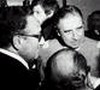 Pinochet
and Kissinger meeting
Pinochet
and Kissinger meeting
 R.
Allen Stanford, search Israeli / Russian mafia
R.
Allen Stanford, search Israeli / Russian mafia
 topic map

 On
July 11, 1990, Gary Caradori was killed along with his 6-year old son in
the crash of his small plane, after a mid-air explosion, the cause of
which was never discovered. He had told friends repeatedly in the weeks
before his death that he was afraid his plane would be sabotaged.
On
July 11, 1990, Gary Caradori was killed along with his 6-year old son in
the crash of his small plane, after a mid-air explosion, the cause of
which was never discovered. He had told friends repeatedly in the weeks
before his death that he was afraid his plane would be sabotaged. 


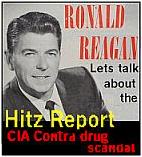
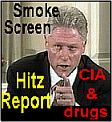 Hitz Report, Iran Contra, CIA,
drugs,
Hitz Report, Iran Contra, CIA,
drugs, 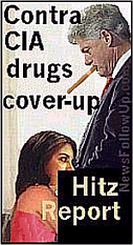
 Robert
Gates replaces Rumsfeld
Robert
Gates replaces Rumsfeld